
Greece tours give a group an easy way to share ancient temples, beautiful islands and long lunches by the sea. Friends, families, clubs, schools and company teams all find a plan that suits them. A friendly guide leads the way, keeps everyone together and organises the tickets, maps and transport for the day.
This guide covers the main regions: Athens, the Cyclades islands, the classical sites on the mainland, and Crete with the islands beyond. Each part explains what to see, the different kinds of trips groups book and the services that come with them. For more inspiration, planners can browse My Greece Tours before booking.
Which Greece Tours In Athens Suit Families And Friends?
Families and friends enjoy Greece tours that mix a guided Acropolis walk with a relaxing boat day. A cooking class or a sunset trip to the coast completes the itinerary. Sites such as Greece tours and Tours In Greece offer the same variety for groups. That balance keeps younger and older guests happy.
What should be on every group list in Athens?
The Acropolis sits on a rocky hill above the city, and it appears first on every list. On top stands the Parthenon, a marble temple built for the goddess Athena, with wide views across the city. Next to it is the Erechtheion, famous for its porch supported by statues of women instead of ordinary columns.
Below the hill, the Acropolis Museum holds the statues and carvings from the temples, and its glass floors reveal ancient streets underneath. Nearby, the Ancient Agora was the old market square, where people shopped, argued and voted. The Temple of Olympian Zeus, a giant ruin with towering columns, stands a short walk away.
Plaka and Monastiraki are the historic neighbourhoods at the foot of the Acropolis. Their lanes hold little shops, cafés and flea market stalls. For a wide city view, groups climb or ride the little train up Lycabettus Hill. Out on the coast, the Temple of Poseidon at Cape Sounion glows at sunset above the sea.
How are Greece tours set up in Athens?
Private Greece tours in Athens come with a driver-guide, or a skipper for trips on the water. They are priced per group, not per person, so larger families and company teams receive good value. Grandparents and small children enjoy them most, because the van waits close by and the pace bends to suit everyone.
Boat cruises sail from the Athens coastline to quiet bays and beaches, with relaxing swim stops along the way. Friends and families with confident swimmers love these days on the water. Guided walking tours suit curious teenagers and school groups, because a good guide turns old stones into lively stories they remember.
Cooking classes and wine tastings bring a slower, social side to the day. Company teams use them for bonding, since everyone chops, stirs and laughs at the same table. Adults enjoy the wine tastings, while younger guests learn to fold pies and roll vine leaves. The group then sits down to enjoy what it created.
Which services make Greece tours in Athens easier?
Many Greece tours in Athens include lunch or a BBQ meal, which matters enormously for groups. Nobody has to hunt for a table for a big party in a busy taverna. On boat days the crew fires up the grill on deck, and the meal arrives right after a swim, when everyone is hungry.
Drinks are included on most of these days, and on some cruises they are unlimited. Soft drinks keep children happy, while adults enjoy a cold beer or local wine. Wine tastings add a short lesson about Greek grape varieties. For a group that wants to save, these budget travel tips for Athens help enormously.
A licensed or local guide is the most valuable help of all. Only licensed guides can lead groups inside the main sites, and they know where to find shade and quiet corners. Swim stops give everyone a break between sights, as children use up energy in the sea and adults return refreshed.
Which tricks save time for groups in Athens?
Clever groups reach the Acropolis early in the morning, before the heat and the heavy crowds that follow. They book entry slots ahead and walk straight in. A meeting point everyone can find, such as the museum entrance, goes into the group chat, and each cluster gets its own leader.
Comfort matters on the ancient marble paths, which are smooth and slippery. Everyone needs shoes with grip, a hat, sunscreen and a refillable water bottle. A light scarf covers shoulders for church visits in Plaka. Simple snacks keep children calm in queues, and a spare phone charger keeps the group chat alive all day.
Where Do Group Greece Tours Go In The Cyclades?
Group Greece tours in the Cyclades head to Santorini, Mykonos, Delos, Milos, Naxos and Paros. Each island adds something different, from cliff villages and windmills to sea caves and calm harbours. Ferries link them, so a group mixes busy and quiet islands on the same holiday. White houses and blue water fill every photograph.
What should be on every group list in the Cyclades?
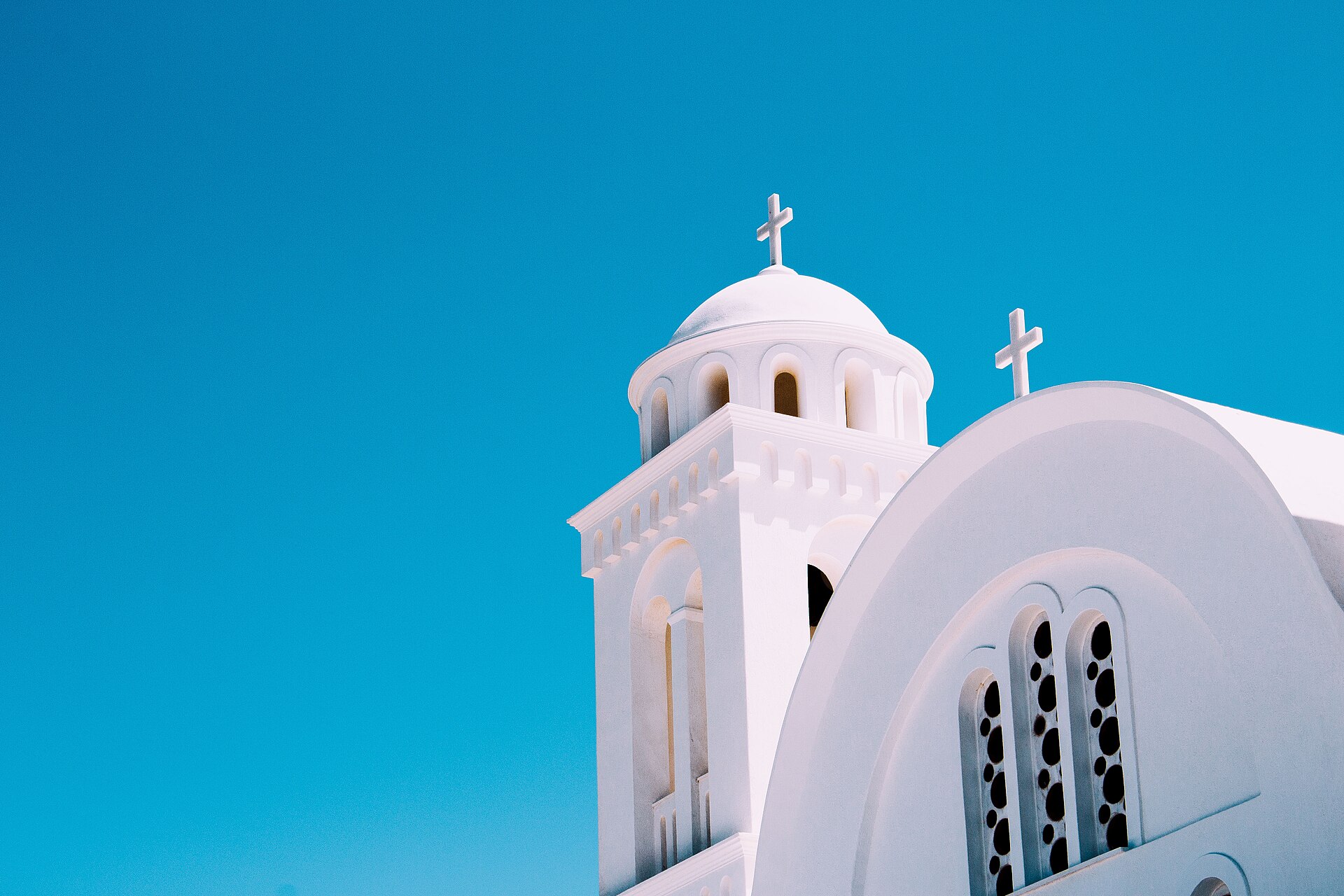
Santorini’s cliff villages, such as Oia and Fira, sit along the rim of an ancient volcano. Their white houses and blue domes look down into a flooded crater, called the caldera. Groups gather on the paths at sunset, when the whole cliff turns gold. A cable car links Fira to the historic port below.
On Mykonos, a row of white windmills stands on a hill above Little Venice, where houses meet the waves. A short boat ride away lies Delos, an island sanctuary, or holy place, of the god Apollo. Today the entire island is an open-air museum, and its famous marble lions still watch over the ruins.
Milos is famous for its sea caves, where boats slip through rock arches into brilliant blue water. On Naxos, the old town climbs to a castle built by rulers from Venice. A giant marble doorway from an unfinished temple stands by its harbour. Naoussa on Paros is a fishing harbour lined with seaside tavernas.
How are Greece tours set up in the Cyclades?
Private Greece tours on the islands come with a driver-guide on land or a skipper on a private boat. The price covers the entire group, which suits families and friends who want their own pace. Boat cruises with swim stops fit mixed groups best, and Santorini boat cruises are the classic island choice.
Full-day trips from Athens by coach and fast ferry suit school groups and clubs with limited time. A guide meets everyone at the hotel, handles the tickets and brings the group back the same night. Snorkel and beginner scuba trips suit teenagers and active adults, and instructors explain the basics first in calm, shallow water.
Cooking classes and wine tastings complete the island days. On Santorini, vines grow low in the volcanic soil, shaped like baskets to shield the grapes from the wind. Company teams and adult friends enjoy the tastings most. Families prefer the cooking classes, where children help knead dough and fill small cheese pies.
Which services make Greece tours in the Cyclades easier?
Boat-based Greece tours in the Cyclades serve lunch or a BBQ meal on board, with grilled meat, salads and fresh bread. Drinks are part of the deal, and on some cruises they are unlimited. This keeps a group fed and cool without anyone carrying a cooler. It also stops small costs from adding up.
Snorkel gear comes on board, so nobody packs masks and fins from home. A licensed or local guide shares island stories and points out the best snorkel spots. On Delos, a licensed guide makes the ruins come alive for school groups. Swim stops in clear bays give the group a cool break between attractions.
Free time to explore matters just as much. After the guided part, friends split up to shop, swim or sit in a café, then meet again at the boat. Wine tastings on Santorini end many afternoons on a happy note. Adults sip local white wine while younger guests enjoy juice and the sunset view.
Which tricks save time for groups in the Cyclades?
Ferries fill up in summer, so groups book seats together ahead. Experienced planners choose morning boats, which run calmer before the wind picks up. On Santorini, sunset spots in Oia get packed, so the group finds a quieter terrace and arrives early. A shared photo of the meeting point brings everyone back on time.
Island sun is strong, and the wind hides how hot it feels. Everyone should pack reef-safe sunscreen, a hat, sunglasses and a light layer for evening boats, plus seasick pills for rough days. Bright caps or matching scarves make the group easy to spot on a crowded quay, especially for teachers counting students.
Which Greece Tours In The Classical Sites Do Groups Remember?
Groups remember Greece tours that reach Delphi, Meteora, Mycenae, Epidaurus, Nafplio, Olympia and the Corinth Canal. These places bring ancient myths and real history to life in a way books never manage. Most sit within reach of Athens, so a group can see them on day trips or on a longer loop with hotel nights.
What should be on every group list in the classical sites?
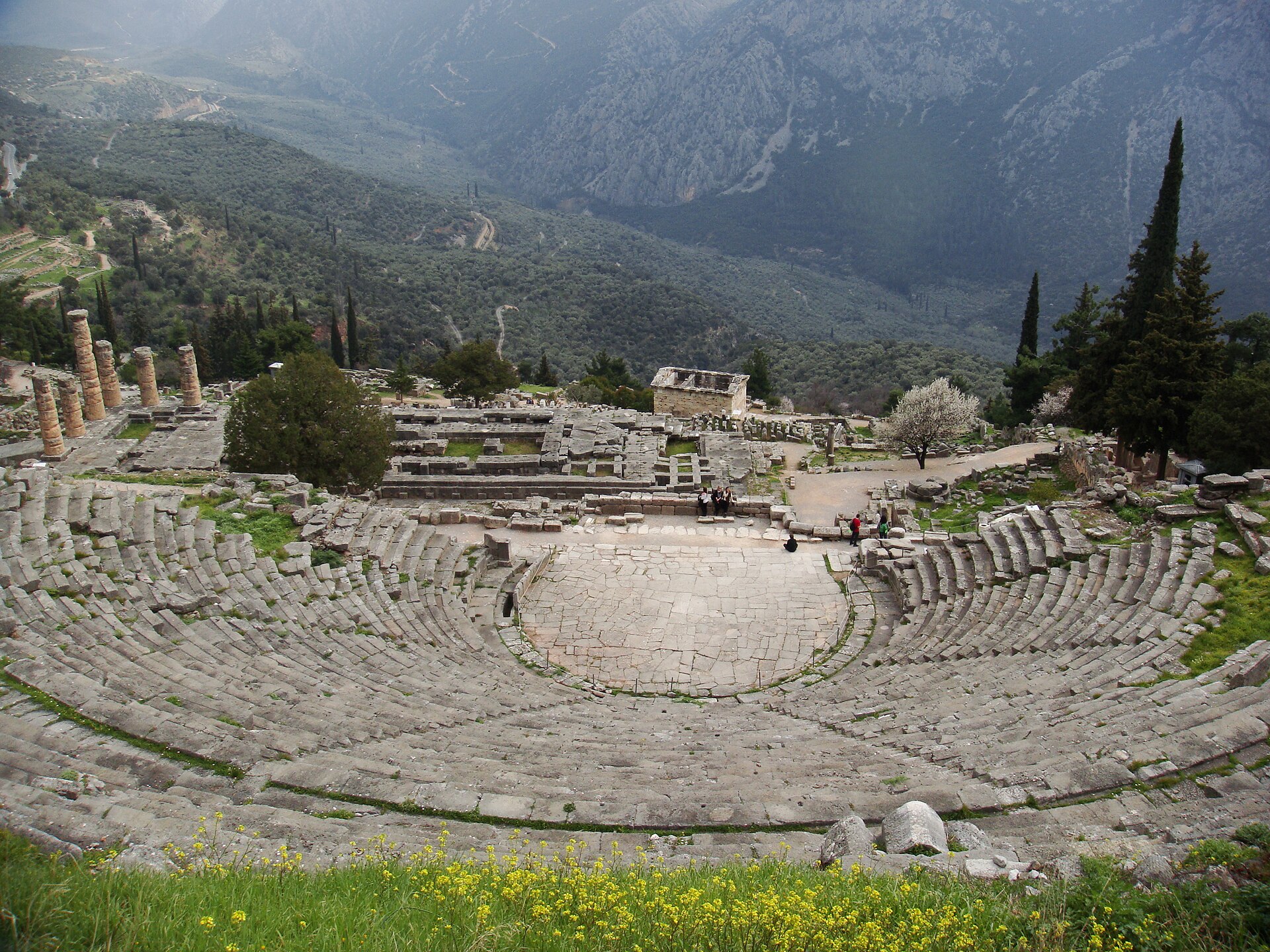
Delphi sits on a steep mountain slope, and the ancient Greeks called it the centre of the world. People came to its sanctuary, or holy ground, to ask the god Apollo about their future through a priestess. Further north, the monasteries of Meteora perch on tall rock pillars, and monks still live and pray there.
Mycenae was a citadel, which means a hilltop fortress, ruled by the kings of ancient Greek legends. Groups walk in through the Lion Gate, carved with stone lions above the doorway. Nearby, Epidaurus was a famous healing centre. Its theatre is so well built that a whisper on stage carries to the top seats.
Nafplio is an elegant harbour town, with a castle on a tiny island and a fortress on the hill above. Ancient Olympia is the birthplace of the Olympic Games, and groups still race on the original stadium track. The Corinth Canal cuts a narrow, deep channel through solid rock, and ships squeeze through it slowly.
How are Greece tours set up in the classical sites?
Small-group Greece tours to the classical sites keep numbers low, so everyone hears the guide and gets close to the ruins. They suit close friends and small family groups travelling together. Full-day trips from Athens by coach are the simplest choice for school groups and clubs, leaving early and returning by evening.
Guided walking tours inside each site suit history fans, students and anyone who loves a good story. Some groups prefer to buy entry tickets and explore at their own pace. That works well for families with toddlers or teams who want to linger at the museum, take photos or rest in the shade.
Multi-day tours with hotel nights link several sites in a single loop. A common loop joins Delphi and Meteora, while another pairs Mycenae and Epidaurus with a night in Nafplio. These trips suit clubs, retirees and company retreats. The coach carries the bags, and long drives are split into easy stretches with coffee stops.
Which services make Greece tours in the classical sites easier?
A licensed guide is the heart of good Greece tours at the classical sites. Ruins look like piles of stone until someone explains what stood there and who used it. Guides also know the shady paths, the quiet corners and the best spots for a group photo. Local guides add family stories and village legends.
Entry tickets included in the tour save a lot of stress. A big group no longer waits in a long line at the gate while the sun climbs. The guide hands out tickets at the coach, counts heads and leads everyone straight in. This keeps the group together from the start of the visit.
Hotel nights on multi-day trips are selected with groups in mind. Rooms are booked side by side, and the coach waits right outside each morning. Waking up in Nafplio or in the town below Meteora means the group reaches the gates before the day-trip crowds. That gives everyone calmer visits and better photographs.
Which tricks save time for groups in the classical sites?
The classical sites have little shade, so groups visit early or late in the day. Long coach rides pass faster with a short talk from the guide, a quiz for the children or a playlist everyone agrees on. A head count at every break means nobody gets left at a café or restroom.
Ancient paths are rough and dusty, so sturdy shoes matter more than style. Each person should carry water, a hat, sunscreen and wet wipes, plus a light jacket for Meteora, where the air is cooler. Visitors need covered shoulders and knees to enter the monasteries, and wraps are lent at the door.
Which Greece Tours In Crete And Beyond Give Groups Good Value?
Greece tours in Crete, Rhodes, Corfu and Zakynthos give groups good value, because one day mixes ancient palaces, walled towns and beaches. Shared boats and private vans spread the cost across the group. Crete makes an excellent starting point, and the other islands follow easily by ferry or a quick flight.
What should be on every group list in Crete and beyond?
On Crete, the palace of Knossos belonged to the Minoans, a people who ruled the island long before classical Athens. Bright paintings of dolphins and bull jumpers cover its walls. Legend places the maze of the Minotaur, a bull-headed monster, right here. In the west, Chania’s old harbour and lighthouse make a lovely evening stroll.
Western Crete hides the famous lagoons of Balos and Elafonisi. Balos is a turquoise bay that groups reach by boat, and Elafonisi has soft pink sand. Children paddle in the warm, calm water while adults float nearby. On Rhodes, the Old Town is a walled city from the age of knights, full of stone lanes.
Down the coast of Rhodes, Lindos stacks white houses below an acropolis, a hilltop fort with an ancient temple, beside a blue bay. Corfu old town mixes lanes from its days under Venice, shady arcades and sea forts. On Zakynthos, Navagio is a cove where a rusty shipwreck lies on white sand below sheer cliffs.
How are Greece tours set up in Crete and beyond?
Private Greece tours on Crete and the other islands come with a driver-guide in a van or a skipper on a boat. The price is set per group, which keeps costs fair for big families and company teams. Boat cruises with swim stops run to Balos, around Corfu and past Navagio, and suit every generation.
Groups starting on the mainland add full-day trips from Athens by coach before flying to the islands. Guided walking tours through Rhodes Old Town, Chania and Corfu suit school groups and history lovers. Families with small children prefer entry tickets for Knossos, so they explore at their own pace and stop for snacks.
Cooking classes and wine tastings reveal the island way of life. On Crete, groups make dakos, a crunchy bread topped with tomato and soft cheese, then pour local olive oil over it. Wine tastings in village cellars suit adult friends and company teams. Children love the kitchen part and the tasting at the end.
Which services make Greece tours in Crete and beyond easier?
Lunch or a BBQ meal comes with most island Greece tours, from grills on deck to long tables in village tavernas. Drinks are included too, and on some boats they are unlimited. For groups, this means a simple plan, no hungry guests and no awkward bill-splitting at the end of the day.
A licensed or local guide makes Knossos and Lindos far easier to understand. Without one, the ruins look like a puzzle with missing pieces. Entry tickets bought ahead mean the group skips the ticket line and starts the visit fresh. Wine tastings at small family wineries add a relaxed end to busy sightseeing days.
Swim stops are the favourite part for many groups. After a hot morning at Knossos or in Rhodes Old Town, a dip in clear water resets everyone’s mood. Crews keep an eye on weaker swimmers and help them climb back on board. That makes the sea fun for grandparents and toddlers alike.
Which tricks save time for groups in Crete and beyond?
Crete is enormous, so groups pick a base in the west or the east instead of chasing every sight. On Balos and Navagio days, the earliest boat beats the crowds and the strong afternoon sun. In Rhodes Old Town and Corfu, the lanes twist like a maze, so the group sets a clear meeting point.
Beach days need more than towels, so groups pack water shoes for pebbly spots, reef-safe sunscreen, hats and a dry bag for phones. A light cover-up keeps shoulders safe from sunburn on long boat rides. Shared snacks and refillable bottles keep energy up, and a quick head count before each boat leaves avoids stress.
Conclusion: Greece Tours For Groups, Planned Well
Greece tours work best for groups when the plan mixes famous sights, easy days on the water and time at the table. Athens brings the classics, the Cyclades bring sea and sunsets, and the mainland sites tell ancient legends where they happened. Crete and the other islands add warm beaches, royal palaces and walled towns.
The right services make the journey smooth: a licensed guide, entry tickets, meals, drinks and swim stops. For families and teams who want full control of the day, Greece private tours are worth a look. With early booking and good planning, Greece tours turn a busy group into a happy, well-fed crew.
Frequently Asked Questions About Greece Tours For Groups
Are Greece tours worth it for a short trip?
Yes, because a good guide takes away the planning work and shows a group the best sights without wasted hours. On a short visit, Greece tours bundle tickets, transport and meals into a single booking. That leaves more time for photos, swims and long lunches, which is what most groups remember best.
Do Greece tours suit first-time visitors?
They suit first-time visitors very well, especially in a busy city like Athens. A guide explains the history in plain words, handles the tickets and keeps the group on time between sights. First-timers in a group also learn simple Greek phrases, local food names and the easiest ways to get around on later free days.
Which Greece tours do groups book most?
Boat cruises with swim stops, full-day trips from Athens by coach and guided walks around the Acropolis top most group wish lists. Private Greece tours with a driver-guide are popular with big families and company teams who want their own van. Cooking classes and wine tastings follow close behind as relaxed evening plans.
Do Greece tours include entry tickets?
Many Greece tours to the big sites include entry tickets, and the guide hands them out at the gate. Some tours leave tickets out, so groups check every detail before booking. Booking timed tickets ahead matters most at the Acropolis, Knossos and Delphi, where queues grow fast in the busy summer season.
Are Greece tours good for children?
Yes, as long as the plan mixes sights with enjoyable breaks. Children love boat days, swim stops, cooking classes and stories about gods and monsters at the old sites. Families do best with private Greece tours, short walks, plenty of snacks and a pool or beach waiting at the end of the day.
How many Greece tours fit in one week?
A relaxed week fits a guided day in Athens, a boat cruise, a classical site and a cooking class or wine tasting. Groups should leave a free day between busy Greece tours to rest, swim and wander. Too many early starts in a row tire out children and older guests, and the fun fades.
How do groups handle meals on Greece tours?
Groups handle meals on Greece tours by reserving large tables early and ordering shared plates. They also tell the guide about any special diets before the journey begins. This simple routine keeps mealtimes relaxed and prevents long waits when a large party arrives at a busy hour.
Sharing plates around one long table
Greek meals are designed for sharing, which suits travelling groups especially well. Plates of salad, dips, grilled meat and fresh fish arrive in the middle of the table, and everyone chooses what they enjoy. Nobody has to agree on one dish, which avoids long debates over the menu.
Many Greece tours include some meals and leave others free for the group to choose. Leaders should check which lunches and dinners are covered before anyone pays a deposit, so nobody pays twice. Free evenings also give smaller circles of friends a chance to explore on their own.
Large tables fill quickly in the summer season, so a phone call ahead always helps. Tavernas, which are small family-run restaurants, often join tables together for groups when asked politely. Eating slightly earlier than local families also keeps the kitchen calm and the service quick.
Long, relaxed lunches are part of Greek life, and good Greece tours build them into the day. Guides know which villages have honest tavernas close to the main sights, where grandparents and young children can rest in the shade.
Planning for diets, markets and wine
Every group has its own needs, from vegetarians to people with serious nut allergies. A short list of diets, sent to the guide in advance, saves stress at every stop. Greek cooking offers many bean, vegetable and olive oil dishes, so meat-free meals are easy to find.
Some of the best Greece tours for groups add a market visit to the morning. Browsing these food markets in Greek cities lets everyone sample local cheese, olives, honey and warm bread. A market picnic also makes an inexpensive and lively lunch.
Wine lovers on Greece tours can plan a vineyard visit as a relaxed part of the trip. A look at the popular wine regions in Greece shows where family wineries welcome groups for tastings. Adults who drink should always agree on a sober driver beforehand.
How do groups stay safe on Greece tours?
Groups stay safe on Greece tours by following the guide, drinking plenty of water and using a buddy system. Simple rules for meeting points and phone contact keep everyone together. Greece is a safe country to visit, although summer crowds, strong heat and busy roads still require attention.
Beating the heat and the crowds
The summer sun in Greece is powerful, even on breezy days beside the sea. Hats, sunscreen and refillable water bottles belong in every day bag on Greece tours, and the hardest walks suit the early morning. Afternoons are better spent resting, swimming or relaxing in a shady cafe.
Ancient sites have uneven stones, slippery marble steps and very few shady spots. Comfortable walking shoes with grip matter far more than style, and guides on Greece tours often pause in the shade for slower walkers.
Pickpockets operate in crowded places, such as packed metro trains, busy markets and famous viewpoints. Bags should close fully and stay in front of the body, while spare cash and cards remain in the hotel safe. Carrying only what the day requires makes any loss far less painful.
Staying together on boats, roads and paths
A buddy system works well for big families and sports clubs. Each person checks on one partner at every stop, and the leader counts heads before the coach departs. A shared group chat with the meeting time and hotel address helps anyone who falls behind.
Island trips bring ferries, small boats and crowded ports into the plan. This guide on travel between Greek islands explains how boarding works for large parties on Greece tours. Groups should board together and keep children close on deck.
Mainland roads can be narrow, steep and full of sharp bends. Groups that hire a coach or drive themselves can study these scenic drives in mainland Greece before setting out. Regular rest stops at village cafes keep every driver fresh and alert.
Safety also means caring for the places a group visits. These tips on exploring Greece responsibly remind visitors to stay on marked paths and carry their rubbish away. Lighting fires in the dry summer hills is never acceptable.
How do groups choose Greece tours?
Groups choose Greece tours by matching the plan to the slowest walker, the shared interests and the available time. A short vote on must-see places keeps the decision fair. The best plan leaves room for both busy sightseeing days and quiet beach days.
Matching interests and fitness levels
The first step is a simple question: what does the whole group love most? Some groups want ancient ruins, while others prefer beaches, mountain hikes or long meals. Mixing a few themes into Greece tours keeps everyone happy.
Myth lovers can plan around the top Greek mythology sites, where old stories of gods and heroes come alive. This myth-to-map travel guide also links famous legends to the real places behind them. Children enjoy these Greece tours far more after hearing the stories the night before.
Fitness matters just as much as shared interests. A family group with grandparents needs short walks, gentle slopes and plenty of shade, while keen hikers enjoy long climbs. Honest answers about fitness at the planning stage prevent tired, unhappy travellers later.
Archaeological sites are places where ruins from long ago are dug up and studied. Inside these sites and Greek museums, only state-licensed guides may lead groups. Booking Greece tours with a licensed guide means richer stories and no trouble at the entrance.
Picking between city days, islands and day trips
Time is the next big filter for any group planning Greece tours. A short stay works best with Athens as a base. These day trip ideas from Athens cover ancient temples, seaside towns and mountain villages within easy reach.
Longer stays open the door to slow island time. This practical guide to island tours shows how groups can add an island or two without stress. Fewer stops with more nights at each give the group real rest between ferry rides.
Group size also shapes the choice, since transport, tables and rooms all change with numbers. Small groups of friends fit into minivans with ease, while large company groups need a full coach and bigger hotels. Hotels with many rooms on the same floor also make morning meetings much easier.
A quick group vote settles the final plan. Each person names a favourite, and the leader builds Greece tours around the most popular answers, so everyone feels heard from the start. That shared sense of ownership keeps the mood positive throughout the trip.
How do groups share costs on Greece tours?
Groups share costs on Greece tours by setting a clear budget early and using one shared pot. Everyone agrees on the money rules before anyone pays a single bill. Larger groups also save money, since the cost of one coach, guide or villa divides many ways.
Setting a budget everyone agrees on
Every group has members with different budgets and different ideas about spending. An honest conversation at the start lets the leader pick Greece tours that fit everyone, not only the wealthiest members. Choices like a simpler room or a skipped extra keep the trip open to all.
Transport is one of the biggest costs on Greece tours, so it pays to organise it early. Rail is a relaxed and often good-value option on some routes, as these scenic train rides in Greece show. Booking group seats together also keeps the whole party in one carriage.
Accommodation shapes the budget just as much as transport. Shared villas, guesthouses and eco-friendly places to stay often cost less per person than many separate hotel rooms. Some also include kitchens, which reduces the cost of breakfast.
Using a shared pot and simple rules
A shared pot is a simple fund for joint costs on Greece tours. Each person pays the same amount into it first, and one trusted member holds it, keeps every receipt and shares regular updates. Clear records build trust and stop small worries from growing.
The pot works best for costs that truly belong to everyone in the group. Common examples on Greece tours include these:
- Shared plates and water at group meals
- Coach, taxi and boat fares for the whole group
- Tips for drivers, guides and hotel staff
- Entry tickets booked for the group
- Supplies for long travel days
Personal items stay out of the pot to keep things fair. Gifts, extra drinks and private outings are paid by each person, and free phone apps can track who owes what. This simple habit avoids awkward conversations at the end of the holiday.
Closing the pot on the last night keeps everything neat and friendly. Any money left over returns in equal shares or pays for a final group dinner. Clear money rules make Greece tours feel easy, so the group returns home as close as when it left.
Which Greece tours suit a relaxed group?
Relaxed groups enjoy Greece tours that use one base, start late and leave long afternoons free. Beach villages, quiet islands and gentle nature walks suit this easy rhythm best. Nobody packs a suitcase every morning, so everyone settles in and truly unwinds.
Slow days on one base
A single base is the heart of relaxed Greece tours. The group unpacks once, learns the local streets and quickly finds a favourite cafe. Short outings then leave from the same door each morning, which removes a lot of daily stress.
Big families with toddlers and grandparents gain the most from this rhythm. Naps, swims and long lunches fit easily around a single morning visit. Teenagers also enjoy the freedom of knowing the neighbourhood well enough to explore it with friends.
Relaxed Greece tours also suit company groups after a demanding year at work. Colleagues bond over long dinners rather than tight schedules. The calm mood often builds stronger friendships than a busy programme ever could.
Relaxed groups also have time to notice local manners. This guide to cultural etiquette in Greece explains greetings, church dress codes and table habits, which helps everyone feel welcome. Small gestures, like a friendly hello to shop owners, open many doors in a village.
Slow Greece tours also allow time for evening walks along the harbour. Locals stroll at sunset, children play in the squares and tavernas fill with families. Joining this daily custom costs nothing and creates some of the warmest memories of the trip.
Quiet nature and hidden corners
Nature gives relaxed groups plenty to enjoy without rushing. These nature reserves in Greece include wetlands, gorges and forests where birds and wild flowers thrive. Short, flat trails let every age join in, and shady trees offer easy breaks.
Many relaxed Greece tours also head away from the busiest spots. This list of hidden gems beyond the tourist trails points to calm villages, quiet coves and mountain towns. Fewer crowds mean shorter queues, easier parking and more space at the dinner table.
A boat day along a quiet coast adds variety without any stress. The group swims, eats on deck and watches the shoreline drift past. Nobody needs to be anywhere at a fixed time, which is the whole point of a slow holiday.
Which Greece tours suit a steady pace?
Steady groups suit Greece tours that pair one main sight with one lighter activity each day. A change of base every few nights keeps the trip fresh without tiring anyone. This balanced rhythm works well for clubs, friends and families with older children.
One big sight, one light activity
Steady Greece tours follow a simple pattern that most groups find easy to keep. A famous site fills the morning, a long lunch follows, and the afternoon brings a swim, a stroll or free time. Evenings stay open for a relaxed group dinner.
Walking is the natural tool for this pace. This guide to walking tours in Greece shows how old town lanes, coastal paths and village trails link sights at a gentle speed. Guides set a comfortable step, so the group stays together and nobody feels pushed.
Archaeological sites are places where ancient ruins are dug up and studied. Inside these sites and Greek museums, only state-licensed guides may lead groups. Their stories turn piles of old stone into living places for every member of the group.
Steady Greece tours also leave room for small surprises. A guide can suggest a village bakery, a hidden chapel or a swim at a quiet cove. These unplanned moments often become the stories groups repeat for years.
Monasteries, customs and steady travel days
Many steady Greece tours include a monastery visit, since these peaceful places reward a calm approach. This guide on visiting Greek monasteries covers dress rules, quiet behaviour and the best routes. Covered shoulders and knees are expected, so groups should pack light scarves or long trousers.
Travel days need extra care at this pace, because packing and moving tire people quickly. Moving base every few nights works best when the drive or ferry ends by early afternoon. That leaves time to settle in, swim and enjoy a first evening walk in the new town.
Local festivals add colour to a steady plan. This season-by-season guide to Greek customs shows when villages hold feasts, church holidays and music nights. Planning Greece tours around one of these events gives the group a memory no museum can match.
A steady pace also protects the group’s mood. Fewer early alarms mean fewer tired faces at breakfast, and people keep energy for evening fun. Over a full trip, this rhythm often delivers more real experiences than a rushed plan.
Which Greece tours suit a packed schedule?
Packed schedules suit Greece tours with early starts, pre-booked tickets and a clear daily plan. Energetic groups of friends or colleagues can cover several famous places in a short stay. Good timing and smart booking make busy days feel exciting rather than exhausting.
Beating queues at the big sights
Fast Greece tours depend on smart timing at the busiest places. These tips on avoiding crowds at the Acropolis show how early or late visits help groups enjoy more space. The same idea works at other famous ruins across the country.
For big groups, tickets matter just as much as timing. This guide on buying Acropolis tickets in advance helps leaders plan early. Booking ahead for a large party saves time at the gate and keeps the whole day on track.
Packed Greece tours need a strong leader and a guide who keeps good time. Clear meeting points, short toilet breaks and quick group photos stop delays from adding up. Everyone should know the next stop before leaving the current one.
Keeping energy high on busy days
Busy days drain energy fast, especially in the summer heat. Groups on packed Greece tours stay sharp with a few simple habits:
- Drink water at every stop, not only when thirsty
- Eat a proper breakfast before early departures
- Wear comfortable shoes with good grip
- Use coach time for short naps
- Leave some evenings free for rest
Long days in busy places also bring extra safety needs for every group. These safety tips for Greece tourists cover heat, traffic, crowded transport and personal belongings. A quick review before departure helps everyone stay alert, even when the group feels tired.
A packed schedule suits groups with a clear goal, such as seeing the most famous ancient sites in a short stay. Company groups and sports clubs often prefer this energetic style. They return home tired but proud of everything they saw.
Even busy Greece tours need one calm moment each day. A sunset drink, a swim before dinner or a quiet hour at the hotel resets the group’s energy. That short pause makes the next early start far easier.
Which Greece tours suit a mixed pace?
Mixed groups suit Greece tours that alternate busy days with slow ones and offer optional extras. Active members join early hikes, while others rest, swim or explore at their own speed. This flexible plan keeps big families and mixed-age clubs happy together.
Alternating busy and quiet days
Mixed-pace Greece tours follow a gentle wave pattern that suits groups with very different energy levels. A full sightseeing day comes first, followed by a lazy beach or village day. This rhythm gives everyone time to recover before the next big outing.
Optional extras on Greece tours let each person choose the right amount of effort. Strong walkers can climb to a hilltop chapel at sunrise, while others enjoy breakfast on the terrace. The group then meets again for lunch and shares stories.
Small group and private formats handle this balance best. These small group and private experiences show how a flexible guide can split the day and reunite everyone later. Private Greece tours also adjust walking speed for grandparents without slowing down the teenagers.
Mixed-age groups also benefit from smart room choices. A base with a pool lets children swim while adults rest nearby. Grandparents can then skip a hot afternoon outing without missing the family fun.
Keeping costs and plans in balance
A mixed pace also helps the budget, which matters for large families and clubs. Slow days at the beach or in a village cost far less than full guided outings. These budget tips for Greece visitors show more ways to spend wisely without missing the highlights.
Clear planning keeps mixed Greece tours running smoothly. The leader shares the full plan before the trip and marks which activities are optional. Each person then picks their extras early, which makes bookings simple.
Good communication is what holds a mixed group together from start to finish. A short chat at breakfast confirms who joins which activity and where everyone meets later. Nobody feels left out, and nobody feels dragged along.
In the end, mixed-pace Greece tours give each member a trip that feels personal. The group still shares the best moments, from a sunset dinner to a famous ruin. That balance is why so many families and clubs return to Greece again and again.
Which places do Greece tours for groups visit?
Greece tours for groups visit a strong mix of famous islands, ancient mainland sites and large holiday islands. Most plans combine Athens with a few of these places. The lists below show where groups travel and what each place is best known for.
Islands
The Cyclades islands in the Aegean Sea are the classic picture of a Greek holiday, with white houses and blue water. Island Greece tours often link a few of these islands by ferry. Each one has its own mood, from lively nightlife to quiet family beaches.
- Santorini: white cliff villages, blue domes and sunsets over a volcanic bay
- Mykonos: windmills, lively beaches and the colourful Little Venice waterfront
- Naxos: wide sandy beaches, mountain villages and a huge marble temple doorway
- Paros: fishing harbours, white villages and relaxed beaches for families
- Milos: colourful boathouses, moon-like white rocks and dramatic sea caves
Mainland
The mainland holds the great sites of ancient Greece, and all of these places are UNESCO World Heritage Sites. Mainland Greece tours usually travel by coach, which suits large groups and keeps luggage simple. Only state-licensed guides may lead groups inside these ancient sites and their museums.
- Athens: the Acropolis, ancient markets and lively neighbourhoods full of tavernas
- Delphi: a mountain sanctuary where ancient Greeks asked the gods for advice
- Meteora: monasteries perched on top of giant rock towers
- Olympia: birthplace of the ancient Olympic Games and its old stadium
- Mycenae: a hilltop fortress of ancient kings with the famous Lion Gate
Large islands
These large islands have their own airports, long sandy beaches and plenty of space for big groups. Rhodes sits in the south-east Aegean, while Corfu, Kefalonia and Zakynthos lie in the Ionian Sea to the west. They suit Greece tours that want longer beach stays with easy day trips by boat or coach.
- Rhodes: a walled old town from the age of knights, plus sunny beaches
- Corfu: green hills, an elegant old town and calm family beaches
- Kefalonia: turquoise bays, mountain roads and a cave with an underground lake
- Zakynthos: Shipwreck Beach, blue sea caves and beaches where sea turtles nest
How do groups plan Greece tours over eight days?
Groups plan Greece tours over eight days with two days in Athens, three mainland days and three island days. This simple mix covers famous ruins, mountain views and the blue sea. Fewer hotel changes keep the pace comfortable for every age in the group.
Days one and two: Athens and its ancient heart
Athens is the natural starting point, since the main international airport serves the capital. The first morning belongs to the Acropolis, the rocky hill crowned by the Parthenon temple. An early entry time lets the group climb before the heat and the biggest crowds arrive.
After the visit, the group can walk down to the Acropolis Museum and then into Plaka, the old district below the hill. Its narrow lanes are full of small shops, quiet churches and family tavernas. A long lunch there gives tired legs a welcome break.
The second day suits a lighter mix of sights around the city centre. Groups can watch the changing of the guard at Parliament or visit the ancient Agora, the old market square. A sunset drive to the Temple of Poseidon at Cape Sounion rounds off the day beautifully.
Groups that want to run their own Greece tours can follow this self-guided itinerary planning guide. It explains how to book transport, tickets and hotels without outside help. Clear bookings made early save the leader a lot of stress later.
Evenings in Athens are lively and easy for groups. Rooftop restaurants face the lit-up Acropolis, and neighbourhoods like Psiri and Koukaki offer good tavernas for large tables. An early night before the long coach trip keeps everyone fresh and cheerful.
Days three to five: Delphi and Meteora by coach
On the third day, a coach heads north-west to Delphi on the slopes of Mount Parnassus. Ancient Greeks believed this was the centre of the world. They came here to ask the oracle, a priestess who spoke for the god Apollo.
The group walks the Sacred Way, a stone path lined with ruins, up to the temple and the theatre. The site museum holds the famous bronze Charioteer, a statue of a winning chariot driver. An overnight stay in Delphi or nearby Arachova keeps the travel calm and unhurried.
Day four brings a scenic drive north to Meteora, where monasteries sit on top of giant rock towers. Monks built them long ago to find peace and safety high above the plain. Visitors must cover shoulders and knees, and women are asked to wear skirts.
Day five suits a sunrise walk among the rocks, followed by the return drive to Athens. Many Greece tours for groups break this long road trip with a lunch stop in a mountain or seaside town. The group then rests in Athens before the island leg.
Groups with a deeper love of history can swap Meteora for the Peloponnese, the large peninsula south-west of Athens. That route reaches Mycenae, Olympia and the ancient theatre of Epidaurus instead. Both routes work well by coach with comfortable overnight stops in small towns.
Days six to eight: an island finish in the Cyclades
The final three days belong to the sea, the sun and slower mornings. Ferries leave from the Athens ports to the Cyclades, the ring of islands in the middle of the Aegean Sea. Paros or Naxos suit large families well, with wide beaches and relaxed villages.
Groups that prefer the famous names can follow this seven-day Athens, Santorini and Mykonos itinerary and add a spare day. It shows how to link the capital with the two best-known islands in one smooth loop. Both islands get busy in summer, so early hotel bookings matter for large groups.
Groups that want more than one island can read this guide to Greek island hopping first. It explains ferry types, port tips and smart routes between nearby islands. Choosing islands close to each other cuts travel time and leaves more time for swimming.
Island days should stay slow on purpose, especially for families with young children. Mornings suit a boat trip or a village walk, while afternoons are for the beach. After busy Greece tours on the mainland, this gentle finish helps everyone go home rested.
On the last morning, the group takes a ferry or a short flight back to Athens for the journey home. Leaving a buffer before international flights protects against late ferries or windy days. That calm finish ends Greece tours on a happy note.
More questions about Greece tours for groups
Groups often ask the same practical questions before booking Greece tours. These short answers cover access, weather, tipping, snacks, walking pace and private boats.
Are Greece tours suitable for wheelchair users?
Greece tours can suit wheelchair users with careful planning, and the Acropolis even has a lift for visitors with limited mobility. Many ancient sites still have uneven stone paths and steep steps. Groups should request accessible coaches and hotel rooms early, since island villages often have cobbles and stairs.
What happens if weather cancels Greece tours?
When weather cancels Greece tours, operators normally offer a new date or a refund, and boat trips are the most common to change. Strong summer winds, called the meltemi, can stop small boats and some ferries. A spare day near the end of the trip keeps every group plan safe.
Can groups thank a guide on Greece tours?
Groups can thank a guide on Greece tours with a tip, warm words or a thoughtful note at the end of the day. Tipping is not required in Greece, but it is always appreciated. Many groups collect money in one envelope, so the thank-you feels shared and simple.
Can groups bring snacks on Greece tours?
Groups can bring snacks on Greece tours, and fruit, nuts and water make long coach days and hikes much easier. Eating is not allowed inside archaeological sites and museums, so snacks wait until after the visit. Groups should also carry their wrappers away and leave no rubbish behind.
Are Greece tours fine for people who walk slowly?
Greece tours work well for people who walk slowly when the plan uses short routes, shaded rest stops and a patient guide. Small group or private formats let the guide match the slowest pace without stress. Coaches that park close to entrances also save a lot of walking.
Can a family book a private boat on Greece tours?
A family can book a private boat on Greece tours, usually with a skipper who plans swim stops and lunch on board. Private boats suit big families because the group sets its own pace. The skipper always has the final word on routes when the wind picks up.
See more in Vizitasex: